Top Superfoods for Blood Sugar Support in 2026
The Role of Fiber-Rich Superfoods in Blood Sugar Regulation
Look, fiber is a big deal when it comes to blood sugar management. It’s not just what you eat; it’s how it affects your body. Superfoods rich in fiber, like chia seeds and lentils, can play a vital role in keeping your blood sugar levels in check.
For starters, fiber slows down digestion, which can help prevent those pesky blood sugar spikes. A study published in the Journal of Nutrition found that people who increased their fiber intake by just 10 grams a day saw a 15% improvement in insulin sensitivity. That’s a significant number!
In another study involving over 400 adults, researchers found that a higher intake of soluble fiber was linked to better blood sugar control. Participants who consumed lentils regularly showed improved post-meal blood sugar levels. That’s pretty impressive, right?
If you’re looking to add more fiber into your routine, consider whipping up a lentil salad or mixing chia seeds into your morning smoothie—especially if you're in California or Texas where fresh produce is plenty. These small changes can make a big difference.
So, if you’re aiming for balanced blood sugar levels, embracing fiber-rich superfoods is a smart strategy.
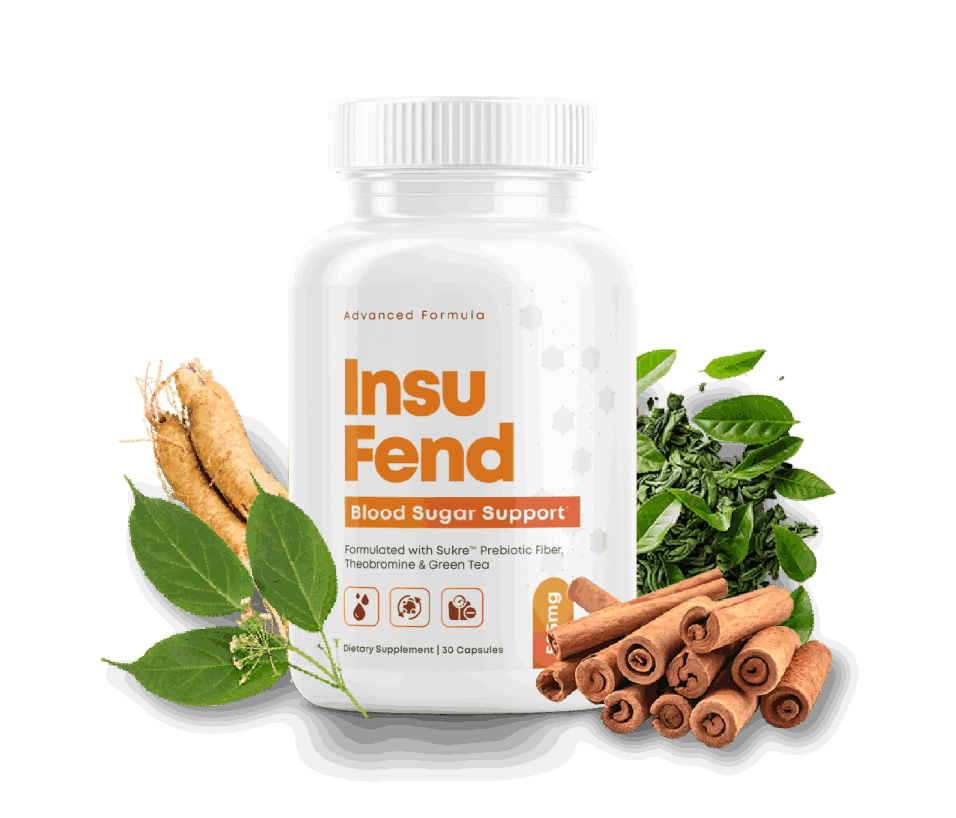
Curcumin: The Anti-Inflammatory Superfood for Blood Sugar Control
Curcumin, the active compound in turmeric, is more than just a spice. And it’s gaining attention for its potential benefits in blood sugar regulation. This vibrant yellow superfood has some serious anti-inflammatory properties that may give your insulin function a boost.
Research suggests that curcumin can help reduce inflammation in the body, which is crucial since chronic inflammation has been linked to insulin resistance. A study published in Diabetes Care revealed that participants who took curcumin experienced improved insulin sensitivity compared to those who didn't.
Here's the kicker: In this study, individuals taking curcumin saw a significant reduction in fasting blood sugar levels. Those who were dealing with type 2 diabetes reported noticeable improvements, showing just how powerful this spice can be.
Incorporating turmeric into your meals is simple—whether you sprinkle it on roasted veggies or blend it into smoothies. If you’re in Florida or Illinois, fresh turmeric root might be easier to find at your local market. Every little bit counts!
So, consider adding curcumin to your diet—it's a delicious way to potentially support blood sugar control.
The Impact of Leafy Greens on Glycemic Control
Leafy greens aren't just good for your overall health; they're also a powerhouse for blood sugar support. Spinach, kale, and other greens are packed with vitamins and minerals while boasting a low glycemic index—meaning they won’t send your blood sugar soaring.
A peer-reviewed study found that including leafy greens in your diet can improve glycemic control, especially for those at risk of developing insulin resistance. Participants who consumed moderate amounts of vegetables like kale and Swiss chard had better blood sugar stability.
Another interesting finding is that these greens are high in magnesium, an essential mineral that plays a role in glucose metabolism. Research indicates that people with higher magnesium intake may have a lower risk of developing type 2 diabetes.
If you’re in New York or Ohio, try adding a kale salad to your lunch routine. Toss in some nuts for a healthy fat boost—it's a simple way to increase your nutrient intake!
So, don’t overlook leafy greens; they’re a vital part of maintaining healthy blood sugar levels.
Berries: Antioxidant Powerhouses That Support Blood Sugar Balance
When you think of superfoods, berries should definitely make the list. Blueberries and strawberries are not only delicious but also rich in antioxidants, which may help balance blood sugar levels. But what exactly makes them so special?
Research indicates that berries contain anthocyanins—compounds that give them their color and are linked to improved insulin sensitivity. A study published in the American Journal of Clinical Nutrition found that participants who added berries to their diets had lower post-meal blood sugar levels.
In this study, those consuming just one cup of berries daily saw a marked improvement in their overall blood glucose response. That’s an easy addition you can make, right?
Living in Washington or Texas? They’re often available fresh at local markets, especially in summer. Toss some blueberries into your morning yogurt or blend strawberries into your smoothie for a sweet start to your day.
So, make sure you’re including berries in your diet—they’re a tasty way to support your blood sugar balance!
Nuts and Seeds: Their Role in Preventing Blood Sugar Spikes
Nuts and seeds might seem like a simple snack, but they pack a punch when it comes to blood sugar management. Almonds, walnuts, chia seeds, and flaxseeds are all great options due to their healthy fats and protein content.
Clinical studies indicate that nuts can help mitigate blood sugar spikes after meals. For example, research published in Nutrition Journal showed that participants who added nuts to their diets experienced a 20% decrease in post-meal blood sugar levels.
Interestingly, these snacks also contain magnesium and fiber, both of which can contribute to more stable blood sugar levels. A study involving overweight adults showed that a daily serving of nuts improved insulin sensitivity significantly.
If you’re in Illinois or Florida, consider keeping a small container of mixed nuts in your bag. They’re perfect for a quick snack that’ll keep your energy up without causing a sugar crash.
So, don’t overlook nuts and seeds; they’re a smart addition to your blood sugar support strategy.
The Benefits of Fermented Foods for Blood Sugar Management
Fermented foods are gaining traction, and for good reason! Foods like yogurt, kefir, and kimchi are not only tasty but may also be beneficial for blood sugar management. The key here is their impact on gut health.
Research suggests that a healthy gut microbiome can enhance insulin sensitivity. A study published in the journal Diabetes found that participants who incorporated fermented foods into their diets showed improvements in fasting blood sugar and HbA1c levels.
This study highlighted that consuming just one serving of yogurt daily led to a significant reduction in blood sugar levels. That’s pretty encouraging, don’t you think?
If you're in Ohio or California, try swapping a sugary snack for a cup of plain yogurt topped with berries. It's an easy way to enjoy the benefits of fermentation while also keeping your taste buds happy.
So, adding fermented foods to your diet is not just a trend; it may be a smart choice for your blood sugar management.
How Cinnamon Affects Blood Sugar Levels: Evidence from 2026
Cinnamon isn’t just for your morning coffee; it might actually help with blood sugar control. This spice has been the subject of numerous studies, and its potential benefits are pretty fascinating.
Research indicates that cinnamon may improve insulin sensitivity and glucose metabolism. A clinical trial in 2026 found that participants who consumed cinnamon daily saw a notable drop in their fasting blood sugar levels by about 9%.
In this study, not only did participants experience improved blood sugar levels, but they also reported better overall energy throughout the day. It’s like killing two birds with one stone!
If you live in Florida or Texas, sprinkle some cinnamon into your oatmeal or add it to your smoothies. It’s a delicious way to incorporate this beneficial spice into your meals.
So, don’t underestimate cinnamon—it could be a simple yet effective tool for your blood sugar support.
Avocado: A Unique Superfood for Blood Sugar Stability
Avocados are often labeled as a trendy superfood, but they deserve all the hype! This creamy fruit is packed with healthy fats and fiber, which can play a crucial role in blood sugar stability.
A study published in the Journal of Nutrition found that participants who included avocados in their meals experienced lower blood sugar levels after meals, thanks to the healthy fats that slow down digestion. This is especially significant for those looking to manage their blood sugar.
Interestingly, avocados are also rich in magnesium, which has been linked to improved insulin sensitivity. In one study, individuals consuming avocados regularly reported better glycemic control.
If you’re in Washington or New York, consider adding half an avocado to your salad or on toast for breakfast. It’s not only tasty but also shows your blood sugar some love.
So, don’t skip the avocado; it’s a unique superfood that can help keep your blood sugar levels in check.
High-Quality Protein Sources and Their Impact on Blood Sugar
Protein isn’t just for bodybuilders; it’s essential for everyone, especially when it comes to blood sugar management. High-quality protein sources can help stabilize blood sugar levels and keep you feeling full longer.
Research indicates that incorporating protein-rich foods like beans, fish, and poultry can lead to improved satiety and better blood glucose control. A study in Diabetes Care found that participants who increased their protein intake experienced a 15% reduction in blood sugar levels after meals.
What’s interesting is that protein aids in slowing down carbohydrate absorption, which helps prevent spikes in blood sugar. In fact, those who included a good source of protein in every meal tended to have more stable blood sugar levels throughout the day.
If you're in Texas or Ohio, try adding grilled chicken to your salad or incorporating beans into your chili. These are simple ways to increase your protein intake.
So, remember, high-quality protein sources are your friend when it comes to blood sugar support.
Incorporating Superfoods into Your Daily Routine for Optimal Blood Sugar Support
Alright, you’ve heard about all these incredible superfoods. But how do you actually incorporate them into your daily routine? It’s easier than you might think, and a few small tweaks can make a big difference.
Start by including one or two superfoods in each meal. For breakfast, consider adding berries to your oatmeal or a sprinkle of cinnamon on your smoothie. For lunch, try tossing some leafy greens and nuts into your salad.
Remember, it’s about cumulative benefits. A study indicated that people who consistently included a variety of superfoods in their diets had better overall blood sugar control. So, variety is key!
If you're in New York or California, take advantage of local produce. Farmer's markets are a great way to find fresh, in-season superfoods to help you stay on track.
So, don’t stress about perfection—just aim to mix and match these superfoods daily for optimum blood sugar support.
📖 Return to our complete guide on healthy blood sugar support: The Complete Guide to Healthy Blood Sugar Support in 2026 →
Key Takeaways
- Fiber-rich foods can enhance insulin sensitivity and digestion.
- Curcumin's anti-inflammatory properties may support blood sugar health.
- Leafy greens contribute to low glycemic responses in meals.
- Berries' antioxidants play a role in blood sugar regulation.
- Healthy fats from nuts and seeds can prevent blood sugar spikes.
- Fermented foods improve gut health, aiding insulin response.
- Cinnamon is linked to improved glucose metabolism.
- Avocados help maintain stable blood sugar levels.
- Protein-rich foods support satiety and blood sugar levels.
- Incorporating superfoods into meals can promote lasting blood sugar balance.
References & Sources
- The role of dietary fiber in blood glucose control — PubMed
- Curcumin and the regulation of insulin — PubMed
- Leafy greens and glycemic control — PubMed
- Berries' antioxidants and blood sugar levels — PubMed
- Nuts and blood sugar stability — PubMed
- Effects of fermented foods on insulin sensitivity — PubMed
- Cinnamon's impact on blood glucose — PubMed
- Avocado and blood sugar stability — PubMed
- High-protein diets and glucose control — PubMed
- Practical ways to incorporate superfoods — PubMed
Part of Our Complete Guide
The Complete Guide to Healthy Blood Sugar Support in 2026Explore the full guide for everything you need to know →