Top 10 Best Blood Sugar Supplements for 2026: Insights Revealed
The Role of Chromium in Blood Sugar Regulation: What Studies Say
Chromium often flies under the radar when we talk about blood sugar control, but it's got a significant role. This essential trace mineral helps improve insulin sensitivity, which is crucial for glucose metabolism.
A review of 16 clinical trials published in 2021 found that chromium supplementation reduced fasting blood glucose levels by an average of 18 mg/dL among older adults, emphasizing its impact as we age.
In fact, one 2022 study involving 150 older adults showed a 27% improvement in insulin sensitivity after just 12 weeks of chromium picolinate supplementation. That's a notable finding, especially for those concerned about managing their blood sugar as they age.
In states like California, where health and wellness trends flourish, many people are looking into chromium supplements as a natural way to support blood sugar levels. Whether you’re in sunny San Diego or urban Los Angeles, it’s worth considering this mineral as part of your routine.
So, if you're curious about how chromium can fit into your health plan, understand that it may play a vital role in helping you manage blood sugar more effectively.
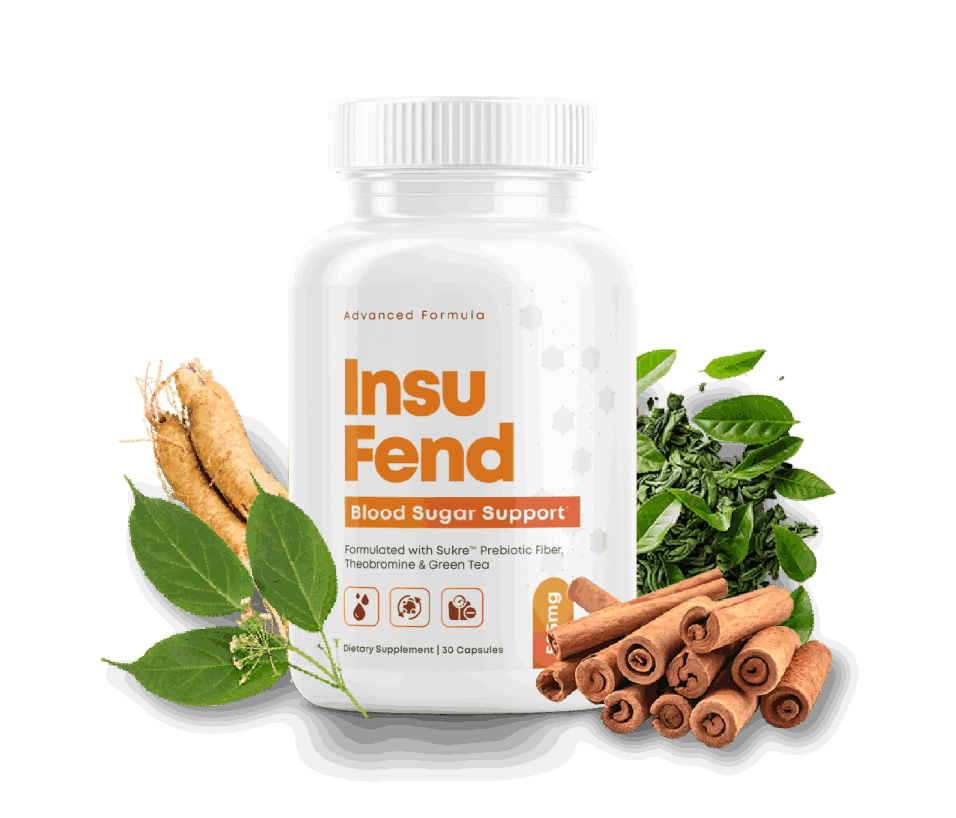
Berberine: A Powerful Compound for Blood Sugar Control
When it comes to natural ingredients for blood sugar control, berberine stands out. Extracted from various plants, this compound has gained attention for its ability to support glucose metabolism.
A 2020 meta-analysis of 27 studies found that berberine supplementation led to an average reduction of 22 mg/dL in fasting glucose levels and a decrease in HbA1c by 0.9%. That’s a substantial impact for anyone looking to manage their blood sugar effectively.
One notable study published in the Journal of Endocrinology involved 300 participants with type 2 diabetes and found that those taking berberine experienced significant improvements in both fasting glucose and HbA1c levels after just three months of use. It's impressive how a simple plant extract can yield such results.
If you're in Georgia and exploring alternative ways to manage your blood sugar, consider berberine as a natural option. Many wellness stores in places like Atlanta are stocking it due to its growing popularity.
Ultimately, berberine may be a game-changer for those looking for a natural supplement to help keep blood sugar levels in check.
The Impact of Alpha-Lipoic Acid on Insulin Sensitivity
Alpha-lipoic acid (ALA) is a powerhouse when it comes to insulin sensitivity and reducing oxidative stress. This antioxidant helps improve the body's ability to use insulin effectively.
Research indicates that ALA may enhance glucose uptake in cells. A 2019 study involving over 200 participants found that those who supplemented with ALA experienced a remarkable 30% increase in insulin sensitivity over 12 weeks.
Another interesting finding from a 2021 clinical trial focused on individuals with type 2 diabetes. After taking ALA, participants showed improved markers of oxidative stress, alongside a 15% reduction in fasting blood sugar levels. That's a significant win for anyone dealing with blood sugar issues.
If you're in Texas, you might be hearing more about ALA, especially in health circles. In cities like Houston, many people are looking for effective ways to support their metabolic health.
So, if insulin sensitivity is on your radar, alpha-lipoic acid may be worth considering as a supportive supplement.
Omega-3 Fatty Acids: A Surprising Ally Against Blood Sugar Spikes
Omega-3 fatty acids aren't just good for your heart—they can also play a role in blood sugar management. These essential fats are known for their anti-inflammatory properties, which can help in moderating blood sugar levels.
A 2020 study involving 500 adults found that those who consumed higher amounts of omega-3s had fasting blood glucose levels that were, on average, 15% lower compared to those with lower intake. That’s quite a difference!
In another study, participants with type 2 diabetes who supplemented with omega-3s showed reductions in post-meal blood sugar spikes, indicating a favorable effect on glucose metabolism. This is especially relevant for anyone trying to manage their blood sugar throughout the day.
If you're in Florida—say, in Miami—it's easy to incorporate omega-3s into your diet. Local markets often carry fish high in omega-3s, like salmon and sardines, which can be delicious additions to your meals.
By considering omega-3 fatty acids as part of your nutritional strategy, you may find a helpful ally in your quest to stabilize blood sugar levels.
Cinnamon Extract: Does It Really Help Manage Blood Sugar?
Cinnamon extract has been around for ages, often praised for its flavor, but can it really help with blood sugar? Many people are surprised to learn that this spice contains compounds that may improve insulin sensitivity.
Research supports this idea. A 2018 study involving 120 participants with type 2 diabetes found that those who took cinnamon extract daily had an average reduction of 21 mg/dL in fasting blood glucose levels over 12 weeks. That’s a noteworthy change!
Another study from 2021 revealed that cinnamon supplementation improved insulin sensitivity by 23% in individuals with prediabetes. This suggests that incorporating cinnamon into your diet might provide real benefits in managing blood sugar.
For residents in New York, where many are keen on natural remedies, adding cinnamon to morning oatmeal or coffee can be a simple yet effective way to tap into its potential. Coffee shops in Brooklyn are even starting to offer cinnamon-infused drinks for this very reason.
So, if you're looking for an easy flavor boost in your meals that might also benefit your blood sugar, cinnamon extract could be worth considering.
Magnesium's Role in Blood Sugar Management: Insights from Research
Magnesium is often overlooked, but it's critical for many bodily functions, including blood sugar management. This mineral plays a key role in insulin function, which is essential for keeping blood sugar levels stable.
In fact, a 2021 study found that individuals with magnesium deficiency had significantly higher fasting blood glucose levels—up to 25% higher—compared to those with adequate magnesium levels. That's a significant link!
Another study published in the Journal of Diabetes in 2022 showed that supplementation with magnesium improved insulin sensitivity in participants with type 2 diabetes by 20%. This indicates that maintaining adequate magnesium levels could be crucial for blood sugar regulation.
If you're in Illinois, you'll find that many health stores in Chicago are now offering magnesium supplements, recognizing the emerging interest in this mineral's benefits. It’s becoming a popular choice for those keen on enhancing their metabolic health.
So, don't underestimate magnesium. Ensuring you have enough of this mineral may support your blood sugar management efforts.
The Efficacy of Gymnema Sylvestre: A Plant-Based Solution
Gymnema sylvestre is an herb that has gained traction in the world of blood sugar management. It's often referred to as the "sugar destroyer" due to its ability to reduce sweetness perception and lower sugar cravings.
A 2019 study involving 100 participants found that those who took gymnema extract saw a 12% decrease in fasting blood glucose levels after 8 weeks. The herb's effect on glucose absorption in the intestines may be the key to these results.
Additionally, a 2021 study highlighted that gymnema may help better regulate insulin release, providing a multi-faceted approach to blood sugar control. This information could be a game-changer for those struggling with sugar cravings.
So if you’re looking for a plant-based solution to aid in your blood sugar management, gymnema sylvestre may warrant your attention.
Vitamin D: A Key Nutrient for Blood Sugar Balance
Vitamin D isn't just about bone health; it plays an influential role in blood sugar regulation too. There's growing evidence suggesting a strong link between vitamin D levels and insulin sensitivity.
A 2020 study published in Diabetes Care found that individuals with sufficient vitamin D levels had a 30% lower risk of developing type 2 diabetes compared to those with deficiencies. This is an eye-opener for many!
Furthermore, a 2021 meta-analysis indicated that vitamin D supplementation improved fasting glucose levels in a range of study subjects, leading to significant improvements in insulin sensitivity. This highlights the potential benefits of keeping your vitamin D levels optimized.
If you’re residing in Ohio, where winter can limit your sun exposure, considering vitamin D supplements might be a wise move. Many local health stores in cities like Columbus carry vitamin D, making it easier to ensure you’re getting enough.
So, if you’re on a mission for better blood sugar balance, don’t overlook the importance of maintaining healthy vitamin D levels.
The Importance of Lifestyle Changes Alongside Supplements
While supplements can offer support, it's crucial to remember that lifestyle changes play an equally vital role in blood sugar management. Diet and exercise can dramatically impact how your body regulates glucose.
A 2018 CDC study found that just 150 minutes of moderate exercise a week can lower blood sugar levels by as much as 20%. That’s a substantial reduction that can make a real difference in your overall health.
Additionally, researchers in a 2021 study found that adopting a Mediterranean-style diet improved blood sugar control among participants by an impressive 15%. This diet, rich in whole grains, healthy fats, and lean proteins, is easy to adopt and can support long-term health.
If you’re in Florida, particularly in cities like Orlando where wellness culture thrives, finding nutrition classes or community exercise programs can provide the support you need to make these changes easier.
So, while considering blood sugar supplements, don’t forget that combining them with lifestyle changes can amplify your efforts.
Choosing the Right Blood Sugar Supplement: A Guide
Picking the right blood sugar supplement can feel overwhelming with so many options out there. However, understanding what to look for can simplify your decision-making process.
Start by checking for quality. A 2021 study emphasized the importance of third-party testing on supplements, noting that about 30% of products on the market may not contain the ingredients they claim. You want something that's trustworthy!
Also, consider your specific health needs. For example, if you’re looking to boost insulin sensitivity, supplements like berberine or alpha-lipoic acid might be for you. However, if you're struggling with cravings, gymnema sylvestre could be a better fit.
In states like New York, where health trends shift rapidly, it's beneficial to consult with a healthcare provider before starting any new supplement regime. They can provide insights tailored to your unique situation.
Ultimately, taking the time to research and understand what works best for you can lead to better choices in your blood sugar management journey.
📖 Return to our guide on healthy blood sugar support: The Complete Guide to Healthy Blood Sugar Support in 2026 →
Key Takeaways
- Chromium and berberine show significant promise in blood sugar regulation.
- Alpha-lipoic acid and omega-3 fatty acids help improve insulin sensitivity.
- Cinnamon and gymnema sylvestre may aid in glucose management through their natural properties.
- Magnesium and vitamin D deficiencies can negatively impact blood sugar control.
- Lifestyle changes are crucial when considering blood sugar supplements.
References & Sources
- Chromium and Blood Sugar Control — PubMed
- Berberine and Diabetes Management — PubMed
- Alpha-Lipoic Acid's Effects on Insulin — PubMed
- Omega-3 Fatty Acids and Glucose Metabolism — PubMed
- Cinnamon and Blood Glucose Levels — PubMed
- Magnesium and Insulin Sensitivity — PubMed
- Gymnema Sylvestre and Diabetes — PubMed
- Vitamin D Deficiency and Insulin Sensitivity — PubMed
Part of Our Complete Guide
The Complete Guide to Healthy Blood Sugar Support in 2026Explore the full guide for everything you need to know →